 Hundred MS
Home / Blog / Will AI replace accountants?
Will AI replace accountants? What we see in practice

Bring it to a free 30-minute call with Narek. No pitch.
Book a callAI is replacing accounting tasks, not accountants. In our daily work it already does most of the matching, sorting, importing and first drafts. It does not take responsibility: it cannot decide how a contract should be recognized, notice that a supplier looks wrong, or sign a set of accounts. The accountants at risk are the ones whose whole job was the repetitive part.
- AI is taking over tasks: matching, coding, importing, first drafts.
- It fails silently, so the controls around it matter more than the tool.
- Responsibility for the numbers stays with a named person.
What AI already does in our work
We use AI every working day, on real client books, so this is observation and not prediction.
- Matching bank and card lines to invoices and bills.
- Reading bills and receipts and proposing the coding.
- Importing and reshaping data between systems.
- Drafting recurring journals and reconciliations for a person to check.
- Flagging balances and transactions that look unusual.
- Writing the first draft of the monthly commentary.
This used to be most of the hours in bookkeeping. It is now a small share of them. That part of the question is already answered.
Where it fails, and how we know
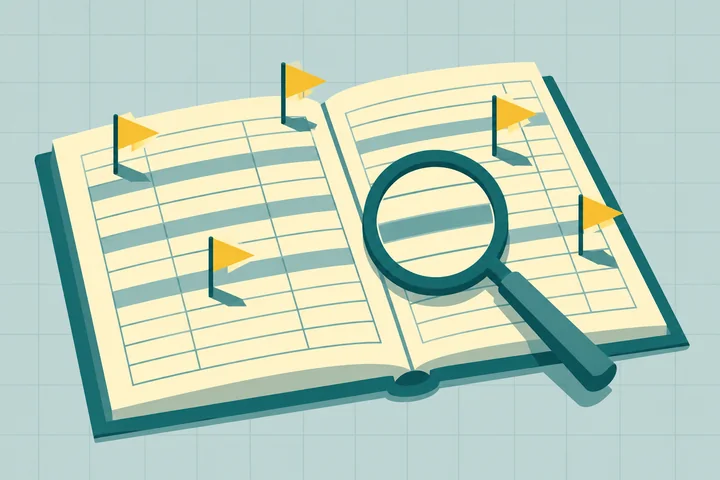
One of our own AI-run bank imports once dropped seven rows from a file without any error message. The bank balance was understated by ~$93K. The reconciliation would not tie against an independent bank list, and our process does not let anyone, person or AI, move on while a check refuses to tie. So the work stopped until the seven rows were found, and nothing went out to the client on the wrong numbers. We wrote the whole thing up, because it shows the point better than any argument.
AI does not know what it does not know. It will produce a confident, tidy, wrong answer, and it will not feel uneasy about it. An accountant who has seen a few hundred month-ends does feel uneasy, and goes to look.
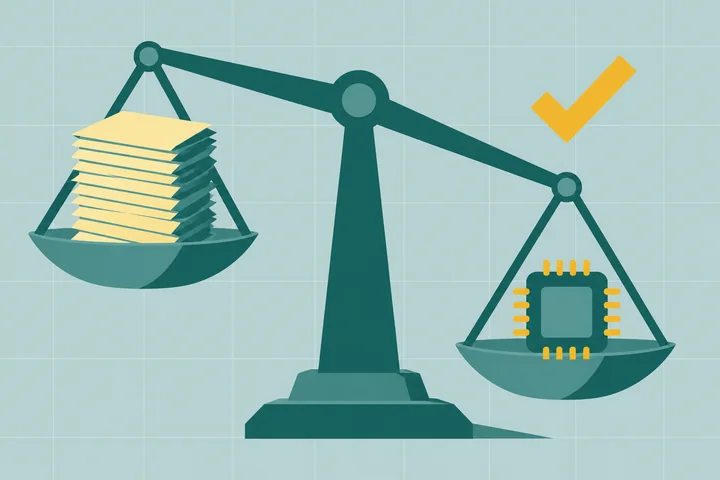
| AI is strong at | People are still needed for |
|---|---|
| Volume: thousands of lines in minutes | Judgment: asset or expense, earned or deferred |
| Consistency: the same rule every time | Context: knowing this customer always disputes |
| Pattern spotting | Deciding whether the pattern matters |
| First drafts | Review, sign-off and accountability |
| Working at 2 a.m. | Talking to your auditor, bank or investor |
Which of your monthly tasks are pure matching and copying? Those will move to AI. The useful question is what your people will do with the hours.
What changes for accountants
The job moves up. Less typing, more checking, explaining and advising. The valuable accountant now is the one who can design a process where AI does the repetitive work safely, with controls that catch it when it is wrong, and who can then tell the owner what the numbers mean. A 2025 Stanford study of accountants who use AI found the same shift: less time on routine processing, monthly statements finished days faster, and more clients per accountant.
That takes experience. Someone who never closed books by hand does not know what a wrong number looks like. This is why our line is: AI is nothing without experience.
What it means if you run a company
- Expect faster closes and fewer hours on routine work. If your provider or team uses AI well, you should feel it.
- Ask who signs. Every number should have a named person behind it.
- Ask what the controls are. A full comparison after every import, reconciliations to outside evidence, a second reviewer. Speed without checks is just faster mistakes.
- Keep your data yours. Know which tools see it and on what terms.
- Do not buy “fully automated” accounting. Nobody can honestly promise it.
Ask any accounting provider to show you one error their process caught last quarter, and how. Everyone makes errors. The ones worth hiring can show you the catch.
Will it be different in five years?
The tools will get better, and more tasks will move over. We do not claim to know how far that goes. Responsibility is the part we expect to stay with people: someone has to stand behind the numbers in front of an owner, a bank or a tax authority.
Where this goes wrong
| The problem | What it costs you | The fix |
|---|---|---|
| “Fully automated” accounting is bought | Silent errors, and no one to call | Ask who signs the numbers |
| Review is cut to save money | Wrong numbers, delivered faster | Keep reconciliations and a second reviewer |
| The team never closed books by hand | Nobody recognizes a wrong number when they see one | Put experienced accountants over the AI |
Based on our own client work. We use AI on client books every working day, and we log every correction it needs. The import error in this post is our own, written up as a case study.
Sources we opened and checked for this guide:
First published 2024. Rewritten and checked in September 2026. If something here is out of date, tell us and we will fix it.


 Nare Khachatryan